网页访问缓慢,响应时间长,想要优化网页访问速度,可以了解一下nginx缓存
首先我们先看一下
没设置之前的效果
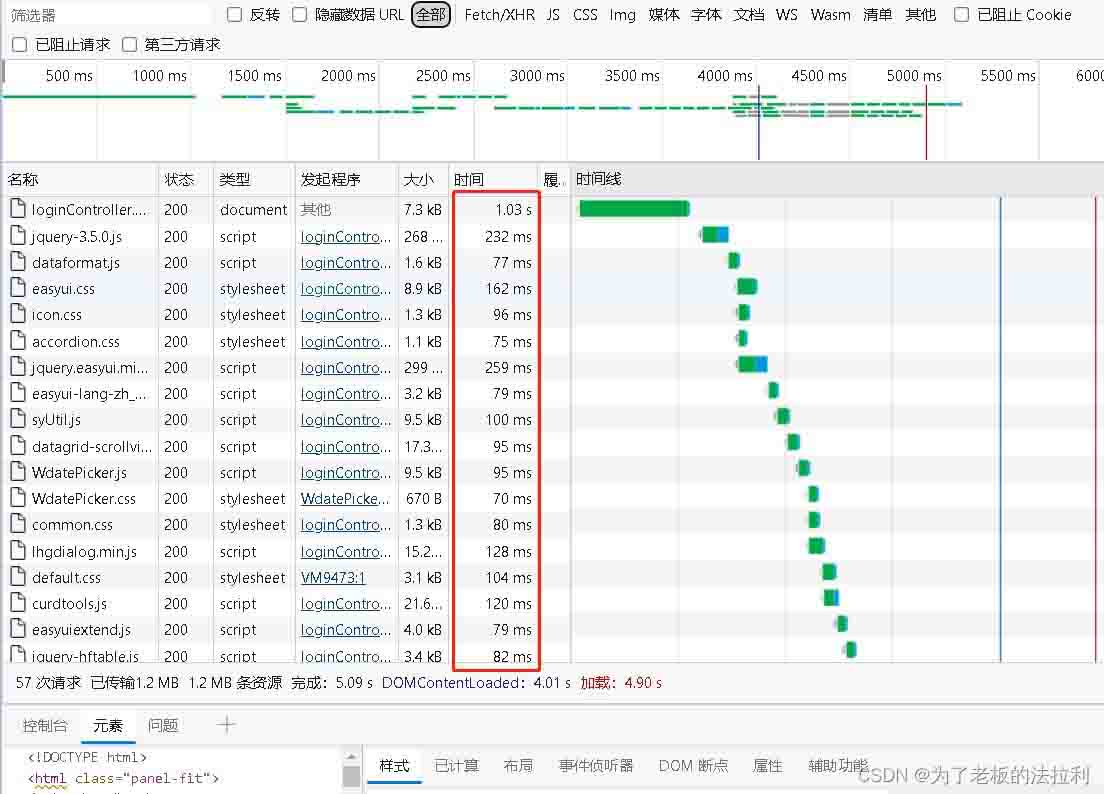
总计5s才加载出全部页面。
下面是优化后的效果
快了3s,这速度差的有点多。

我们在nginx实现对静态文件的缓存可以使我们服务在访问这些文件时,不需要请求服务器响应,直接访问缓存文件,达到提速的效果。
这张图是nginx的工作原理

实现方式
修改nginx.conf
|
1 2 3 4 5 6 7 8 9 10 11 12 13 14 15 16 17 18 19 20 21 22 23 24 25 26 27 28 29 30 31 32 33 34 35 36 37 38 39 40 41 42 43 44 45 46 47 48 49 50 51 52 53 54 55 56 57 58 59 60 61 62 63 64 65 66 67 68 69 70 71 72 73 74 75 76 77 78 79 80 81 82 83 84 85 86 87 88 89 90 91 92 93 94 95 96 97 98 99 100 101 102 |
user www www; worker_processes 2; #设置值和CPU核心数一致 error_log /usr/local/webserver/nginx/logs/nginx_error.log crit; #日志位置和日志级别 #access_log /usr/local/webserver/nginx/logs/access.log crit; pid /usr/local/webserver/nginx/nginx.pid; #Specifies the value for maximum file descriptors that can be opened by this process. worker_rlimit_nofile 65535; events { use epoll; worker_connections 65535; } http { include mime.types; default_type application/octet-stream; log_format main '$remote_addr - $remote_user [$time_local] "$request" ' '$status $body_bytes_sent "$http_referer" ' '"$http_user_agent" $http_x_forwarded_for'; #charset gb2312; server_names_hash_bucket_size 128; client_header_buffer_size 32k; large_client_header_buffers 4 32k; client_max_body_size 8m; sendfile on; tcp_nopush on; keepalive_timeout 60; tcp_nodelay on; fastcgi_connect_timeout 300; fastcgi_send_timeout 300; fastcgi_read_timeout 300; fastcgi_buffer_size 64k; fastcgi_buffers 4 64k; fastcgi_busy_buffers_size 128k; fastcgi_temp_file_write_size 128k; gzip on; gzip_min_length 1k; gzip_buffers 4 16k; gzip_http_version 1.0; gzip_comp_level 2; gzip_types text/plain application/x-javascript text/css application/xml; gzip_vary on; ##cache## proxy_buffer_size 16k; proxy_buffers 4 64k; proxy_busy_buffers_size 128k; proxy_temp_file_write_size 128k; proxy_temp_path /usr/local/webserver/nginx/temp; proxy_cache_path /usr/local/webserver/nginx/cache levels=1:2 keys_zone=cache_one:200m inactive=1d max_size=30g; ##end## #limit_zone crawler $binary_remote_addr 10m; #下面是server虚拟主机的配置 upstream web_back{ server 127.0.0.1:8080; #并且可以分配权重weight,这样来配置集群服务器的访问优先权 } server { listen 8060;#监听端口 #缓存相应的文件(静态文件) location ~ .*\.(gif|jpg|jpeg|jpg|css|js|ico)$ { proxy_pass http://web_back; #如果没有缓存则通过proxy_pass转向请求 proxy_redirect off; access_log off;# 关闭日志 proxy_set_header Host $host; proxy_cache cache_one; proxy_cache_valid 200 302 24h; #对不同的HTTP状态码设置不同的缓存时间,h小时,d天数 proxy_cache_valid 301 1d; proxy_cache_valid any 1m; expires 30d; add_header wall "cache-file"; } #web 使用 location /cpeducloud { proxy_pass http://localhost:8080/cpeducloud; proxy_redirect http:// https://; sendfile off; proxy_set_header Host $host:$server_port; proxy_set_header X-Real-IP $remote_addr; proxy_set_header X-Forwarded-For $proxy_add_x_forwarded_for; proxy_set_header Upgrade $http_upgrade; proxy_set_header Connection "Upgrade"; proxy_max_temp_file_size 0; #this is the maximum upload size client_max_body_size 0; client_body_buffer_size 128k; proxy_connect_timeout 90; proxy_send_timeout 180; proxy_read_timeout 180; proxy_temp_file_write_size 64k; # Required for new HTTP-based CLI proxy_http_version 1.1; } location /download { proxy_pass http://localhost:8080/cpeducloud; proxy_redirect http:// https://; #下载速度限制 #limit_rate_after 10m; limit_rate 5k; } access_log logs/cpeducloud.log main; } } |
修改http和server两个模块,红色标注的是需要修改的地方,蓝色标注的可以不需要,修改之后重启nginx
看一下修改之后的效果
看页面响应头可以看出来
修改之前

修改之后

可以看到响应头的区别,看代码状态也可以看出,资源来自内存缓存
其中max-ages=2592000的意思是,缓存保存2592000秒,也就是30天(参见下表),30天后回重新向服务器请求资源,并重新保存缓存文件。
|
Cache-directive |
说明 |
|---|---|
|
public |
所有内容都将被缓存(客户端和代理服务器都可缓存) |
|
private |
内容只缓存到私有缓存中(仅客户端可以缓存,代理服务器不可缓存) |
|
no-cache |
必须先与服务器确认返回的响应是否被更改,然后才能使用该响应来满足后续对同一个网址的请求。因此,如果存在合适的验证令牌 (ETag),no-cache 会发起往返通信来验证缓存的响应,如果资源未被更改,可以避免下载。 |
|
no-store |
所有内容都不会被缓存到缓存或 Internet 临时文件中 |
|
must-revalidation/proxy-revalidation |
如果缓存的内容失效,请求必须发送到服务器/代理以进行重新验证 |
|
max-age=xxx (xxx is numeric) |
缓存的内容将在 xxx 秒后失效, 这个选项只在HTTP 1.1可用, 并如果和Last-Modified一起使用时, 优先级较高 |