
广告位联系
返回顶部
分享到

OpenClaw从单机Docker部署迁移到Kubernetes集群的完整方案

Ai 来源:互联网 作者:佚名 发布时间:2026-06-29 22:29:52 人浏览
摘要

当你的 OpenClaw 从单机走向集群,Kubernetes 是绕不开的选择。本文从 K8s 核心概念出发,系统讲解 OpenClaw 的 K8s 部署架构包括 Deployment 无状态部署、ConfigMap/Secret 配置管理、PersistentVolume 数据持久

当你的 OpenClaw 从单机走向集群,Kubernetes 是绕不开的选择。本文从 K8s 核心概念出发,系统讲解 OpenClaw 的 K8s 部署架构——包括 Deployment 无状态部署、ConfigMap/Secret 配置管理、PersistentVolume 数据持久化、Service 服务发现、Ingress 流量入口、HPA 自动扩缩容,以及 Prometheus + Grafana 监控集成。通过一个完整的实战案例,你将掌握从 YAML 编写到集群上线的全流程。读完你会发现:K8s 不是"更复杂的 Docker",而是让运维从手动变成自动。

1. 引言:从 Docker 到 Kubernetes 的必然跨越

1.1 单机 Docker 的局限

上一篇文章我们完成了 OpenClaw 的 Docker 部署——一个 docker-compose up -d 就能跑起来。这在初期完全够用。

但当你的业务增长后,问题开始浮现:

场景 Docker 的局限 K8s 的解法
流量突增 手动 docker run 新实例 HPA 自动扩缩容
实例挂了 手动重启或等 restart: always 自动重启 + 健康检查 + 就绪探测
滚动更新 手动停旧启新,有停机时间 RollingUpdate 零停机
多机器部署 每台机器手动操作 统一调度到集群任意节点
配置变更 改文件 + 重启容器 ConfigMap 热更新
服务发现 硬编码 IP 或 DNS Service + CoreDNS 自动发现

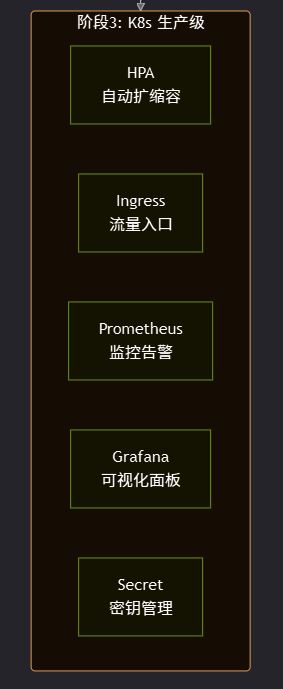
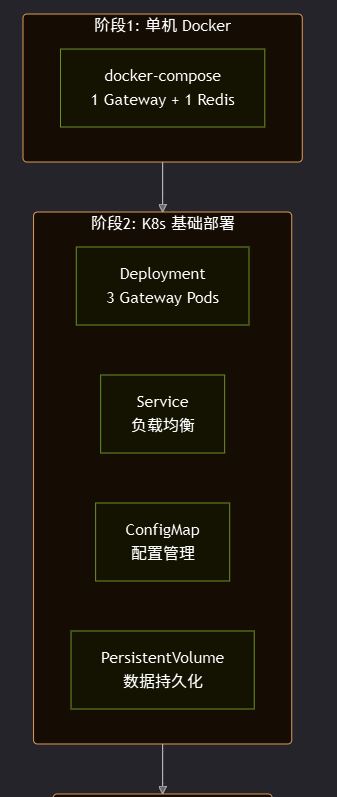
1.2 架构演进

2. Kubernetes 核心概念速览

2.1 关键资源对象

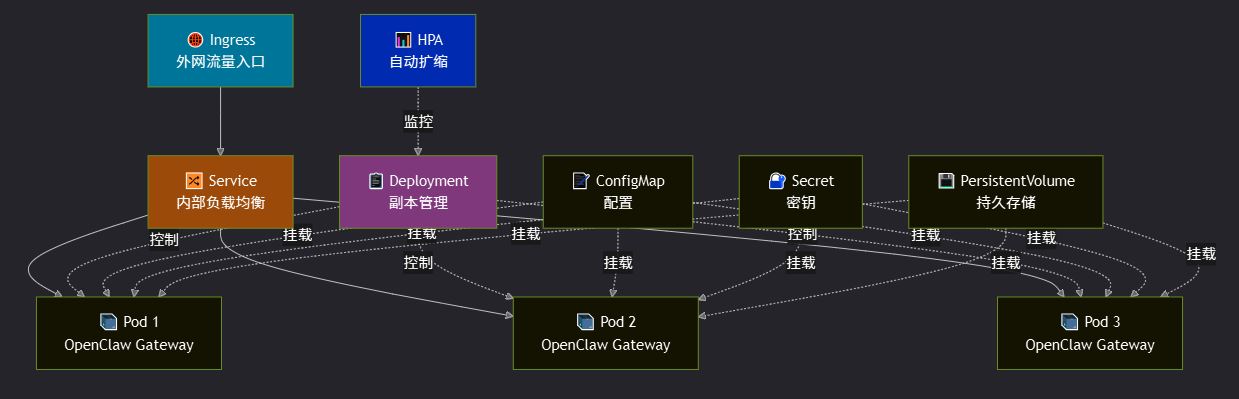
在写 YAML 之前,先理解 K8s 的核心资源:

资源 作用 类比
Pod 最小部署单元,包含一个或多个容器 一个"进程组"
Deployment 管理 Pod 的副本数、更新策略 “部署管理器”
Service 为 Pod 提供稳定的网络入口和负载均衡 “内网负载均衡器”
ConfigMap 存储非敏感配置 “配置文件”
Secret 存储敏感信息(密钥、Token) “加密配置文件”
PersistentVolume 持久化存储 “外接硬盘”
Ingress 外部流量入口,HTTP/HTTPS 路由 “Nginx 反向代理”
HPA 根据 CPU/内存自动调整 Pod 数量 “自动扩容控制器”

2.2 资源关系图

3. OpenClaw K8s 部署完整配置

3.1 Namespace 和 ConfigMap

1

2

3

4

5

6

7

8

# 00-namespace.yaml

apiVersion: v1

kind: Namespace

metadata:

  name: openclaw

  labels:

    app: openclaw

    environment: production

1

2

3

4

5

6

7

8

9

10

11

12

13

14

15

16

17

18

19

20

21

22

23

24

25

26

27

28

29

30

31

# 01-configmap.yaml

apiVersion: v1

kind: ConfigMap

metadata:

  name: openclaw-config

  namespace: openclaw

data:

  openclaw.yaml: |

    gateway:

      port: 18789

      auth_token: ${GATEWAY_AUTH_TOKEN}

    model:

      default: ${DEFAULT_MODEL}

      providers:

        openai:

          api_key: ${OPENAI_API_KEY}

    logging:

      level: info

      file: /data/logs/gateway.log

      format: json

    channels:

      feishu:

        enabled: true

        app_id: ${FEISHU_APP_ID}

    performance:

      max_concurrent_requests: 50

      request_timeout_ms: 120000

    security:

      rate_limit:

        enabled: true

        max_requests_per_minute: 100

1

2

3

4

5

6

7

8

9

10

11

12

13

# 02-secret.yaml

apiVersion: v1

kind: Secret

metadata:

  name: openclaw-secrets

  namespace: openclaw

type: Opaque

stringData:

  GATEWAY_AUTH_TOKEN: "your-secure-token-here"

  OPENAI_API_KEY: "sk-prod-xxxxxxxxxxxxx"

  FEISHU_APP_ID: "cli_xxxxxxxxxxxxx"

  FEISHU_APP_SECRET: "xxxxxxxxxxxxxxxxxxxx"

  TELEGRAM_BOT_TOKEN: "123456789:ABCdefGHIjklMNOpqrsTUVwxyz"

3.2 Deployment 和 Service

1

2

3

4

5

6

7

8

9

10

11

12

13

14

15

16

17

18

19

20

21

22

23

24

25

26

27

28

29

30

31

32

33

34

35

36

37

38

39

40

41

42

43

44

45

46

47

48

49

50

51

52

53

54

55

56

57

58

59

60

61

62

63

64

65

66

67

68

69

70

71

72

73

74

75

76

77

78

79

80

81

82

83

84

85

86

87

88

89

90

91

92

93

94

95

96

97

98

99

100

101

102

103

104

105

106

107

108

109

110

111

112

113

114

115

116

117

118

119

120

# 03-deployment.yaml

apiVersion: apps/v1

kind: Deployment

metadata:

  name: openclaw-gateway

  namespace: openclaw

  labels:

    app: openclaw

    component: gateway

spec:

  # 副本数(HPA 启用后会自动调整)

  replicas: 3

  # 滚动更新策略

  strategy:

    type: RollingUpdate

    rollingUpdate:

      maxSurge: 1        # 更新时最多多出 1 个 Pod

      maxUnavailable: 0  # 更新时不允许不可用 Pod

  # Pod 选择器

  selector:

    matchLabels:

      app: openclaw

      component: gateway

  # Pod 模板

  template:

    metadata:

      labels:

        app: openclaw

        component: gateway

      annotations:

        prometheus.io/scrape: "true"

        prometheus.io/port: "18789"

        prometheus.io/path: "/metrics"

    spec:

      # 优雅终止时间

      terminationGracePeriodSeconds: 60

      # 容器定义

      containers:

      - name: gateway

        image: openclaw:latest

        imagePullPolicy: Always

        ports:

        - name: http

          containerPort: 18789

          protocol: TCP

        # 环境变量(从 Secret 注入)

        envFrom:

        - secretRef:

            name: openclaw-secrets

        env:

        - name: DEFAULT_MODEL

          value: "gpt-4o-mini"

        - name: NODE_ENV

          value: "production"

        - name: TZ

          value: "Asia/Shanghai"

        # 配置文件挂载

        volumeMounts:

        - name: config

          mountPath: /etc/openclaw

          readOnly: true

        - name: data

          mountPath: /data/openclaw

        - name: logs

          mountPath: /data/logs

        # 资源限制

        resources:

          requests:

            cpu: "500m"

            memory: "512Mi"

          limits:

            cpu: "2000m"

            memory: "2Gi"

        # 存活探针——检测容器是否存活

        livenessProbe:

          httpGet:

            path: /health

            port: 18789

          initialDelaySeconds: 30

          periodSeconds: 15

          timeoutSeconds: 5

          failureThreshold: 3

        # 就绪探针——检测容器是否准备好接收流量

        readinessProbe:

          httpGet:

            path: /health

            port: 18789

          initialDelaySeconds: 10

          periodSeconds: 10

          timeoutSeconds: 3

          failureThreshold: 2

        # 启动探针——给慢启动的容器更多时间

        startupProbe:

          httpGet:

            path: /health

            port: 18789

          initialDelaySeconds: 5

          periodSeconds: 10

          failureThreshold: 12  # 最多等 2 分钟

      # 数据卷定义

      volumes:

      - name: config

        configMap:

          name: openclaw-config

      - name: data

        persistentVolumeClaim:

          claimName: openclaw-data-pvc

      - name: logs

        emptyDir: {}

      # Pod 反亲和性——尽量分散到不同节点

      affinity:

        podAntiAffinity:

          preferredDuringSchedulingIgnoredDuringExecution:

          - weight: 100

            podAffinityTerm:

              labelSelector:

                matchLabels:

                  app: openclaw

                  component: gateway

              topologyKey: kubernetes.io/hostname

1

2

3

4

5

6

7

8

9

10

11

12

13

14

15

16

17

18

19

20

21

22

23

24

25

26

# 04-service.yaml

apiVersion: v1

kind: Service

metadata:

  name: openclaw-gateway

  namespace: openclaw

  labels:

    app: openclaw

    component: gateway

spec:

  type: ClusterIP

  selector:

    app: openclaw

    component: gateway


  ports:

  - name: http

    port: 80

    targetPort: 18789

    protocol: TCP


  # 会话亲和性——同一客户端请求尽量路由到同一 Pod

  sessionAffinity: ClientIP

  sessionAffinityConfig:

    clientIP:

      timeoutSeconds: 3600

3.3 PersistentVolume 持久化存储

1

2

3

4

5

6

7

8

9

10

11

12

13

# 05-persistentvolume.yaml

apiVersion: v1

kind: PersistentVolumeClaim

metadata:

  name: openclaw-data-pvc

  namespace: openclaw

spec:

  accessModes:

    - ReadWriteMany  # 多 Pod 同时读写

  resources:

    requests:

      storage: 20Gi

  storageClassName: nfs-client  # 根据你的存储类型调整

3.4 Ingress 流量入口

1

2

3

4

5

6

7

8

9

10

11

12

13

14

15

16

17

18

19

20

21

22

23

24

25

26

27

28

29

30

31

32

33

34

35

36

# 06-ingress.yaml

apiVersion: networking.k8s.io/v1

kind: Ingress

metadata:

  name: openclaw-ingress

  namespace: openclaw

  annotations:

    # Nginx Ingress 配置

    nginx.ingress.kubernetes.io/proxy-body-size: "50m"

    nginx.ingress.kubernetes.io/proxy-read-timeout: "120"

    nginx.ingress.kubernetes.io/proxy-send-timeout: "120"

    nginx.ingress.kubernetes.io/websocket-services: "openclaw-gateway"

    # SSL 重定向

    nginx.ingress.kubernetes.io/ssl-redirect: "true"

    # 速率限制

    nginx.ingress.kubernetes.io/limit-rps: "100"

    # 证书管理

    cert-manager.io/cluster-issuer: "letsencrypt-prod"

spec:

  ingressClassName: nginx

  tls:

  - hosts:

    - openclaw.your-domain.com

    secretName: openclaw-tls


  rules:

  - host: openclaw.your-domain.com

    http:

      paths:

      - path: /

        pathType: Prefix

        backend:

          service:

            name: openclaw-gateway

            port:

              number: 80

3.5 HPA 自动扩缩容

1

2

3

4

5

6

7

8

9

10

11

12

13

14

15

16

17

18

19

20

21

22

23

24

25

26

27

28

29

30

31

32

33

34

35

36

37

38

39

40

41

42

43

44

45

46

47

48

49

50

51

52

53

54

55

56

57

58

59

60

61

62

63

64

65

# 07-hpa.yaml

apiVersion: autoscaling/v2

kind: HorizontalPodAutoscaler

metadata:

  name: openclaw-gateway-hpa

  namespace: openclaw

spec:

  scaleTargetRef:

    apiVersion: apps/v1

    kind: Deployment

    name: openclaw-gateway


  # 最小/最大副本数

  minReplicas: 2

  maxReplicas: 10


  # 扩缩容指标

  metrics:

  # CPU 使用率

  - type: Resource

    resource:

      name: cpu

      target:

        type: Utilization

        averageUtilization: 70


  # 内存使用率

  - type: Resource

    resource:

      name: memory

      target:

        type: Utilization

        averageUtilization: 80


  # 自定义指标——请求速率

  - type: Pods

    pods:

      metric:

        name: http_requests_per_second

      target:

        type: AverageValue

        averageValue: "50"


  # 扩缩容行为

  behavior:

    # 扩容策略——快速响应

    scaleUp:

      stabilizationWindowSeconds: 60  # 60秒稳定窗口

      policies:

      - type: Percent

        value: 100    # 每次最多翻倍

        periodSeconds: 60

      - type: Pods

        value: 4      # 每次最多加4个

        periodSeconds: 60

      selectPolicy: Max


    # 缩容策略——缓慢回收

    scaleDown:

      stabilizationWindowSeconds: 300  # 5分钟稳定窗口

      policies:

      - type: Percent

        value: 10     # 每次最多减10%

        periodSeconds: 120

      selectPolicy: Min

4. 监控集成:Prometheus + Grafana

4.1 ServiceMonitor 配置

1

2

3

4

5

6

7

8

9

10

11

12

13

14

15

16

17

18

# 08-servicemonitor.yaml

apiVersion: monitoring.coreos.com/v1

kind: ServiceMonitor

metadata:

  name: openclaw-gateway

  namespace: openclaw

  labels:

    release: prometheus

spec:

  selector:

    matchLabels:

      app: openclaw

      component: gateway

  endpoints:

  - port: http

    path: /metrics

    interval: 30s

    scrapeTimeout: 10s

4.2 Grafana 仪表盘关键指标

指标 PromQL 告警阈值
Pod CPU 使用率 rate(container_cpu_usage_seconds_total{pod=~"openclaw-gateway-.*"}[5m]) > 80%
Pod 内存使用率 container_memory_usage_bytes{pod=~"openclaw-gateway-.*"} / container_spec_memory_limit_bytes > 85%
HTTP 请求速率 rate(http_requests_total[5m]) > 100/s
请求延迟 P99 histogram_quantile(0.99, rate(http_request_duration_seconds_bucket[5m])) > 2s
错误率 rate(http_requests_total{status=~"5.."}[5m]) / rate(http_requests_total[5m]) > 1%
Pod 重启次数 rate(kube_pod_container_status_restarts_total{pod=~"openclaw-gateway-.*"}[1h]) > 0

截图位置:Grafana 仪表盘截图,展示 OpenClaw Gateway 的 CPU、内存、请求速率、P99 延迟、错误率五个核心指标面板。

5. 实战:一键部署到 K8s 集群

5.1 部署脚本

1

2

3

4

5

6

7

8

9

10

11

12

13

14

15

16

17

18

19

20

21

22

23

24

25

26

27

28

29

30

31

32

33

34

35

36

37

38

39

40

41

42

43

44

45

46

47

#!/bin/bash

# deploy-k8s.sh

# OpenClaw K8s 一键部署脚本

set -e

NAMESPACE="openclaw"

echo "???? 开始部署 OpenClaw 到 Kubernetes..."

# 1. 检查 kubectl 连接

if ! kubectl cluster-info &> /dev/null; then

    echo "? 无法连接到 Kubernetes 集群"

    echo "???? 请检查 kubeconfig 配置"

    exit 1

fi

echo "? 集群连接正常: $(kubectl cluster-info | head -1)"

# 2. 创建 Namespace

kubectl apply -f 00-namespace.yaml

# 3. 部署 ConfigMap 和 Secret

kubectl apply -f 01-configmap.yaml

kubectl apply -f 02-secret.yaml

# 4. 创建持久化存储

kubectl apply -f 05-persistentvolume.yaml

# 5. 部署应用

kubectl apply -f 03-deployment.yaml

kubectl apply -f 04-service.yaml

# 6. 等待 Deployment 就绪

echo "? 等待 Pod 就绪..."

kubectl wait --for=condition=available \

    --timeout=300s \

    deployment/openclaw-gateway \

    -n $NAMESPACE

# 7. 部署 Ingress

kubectl apply -f 06-ingress.yaml

# 8. 部署 HPA

kubectl apply -f 07-hpa.yaml

# 9. 部署监控

kubectl apply -f 08-servicemonitor.yaml

# 10. 显示状态

echo ""

echo "???? 部署状态:"

kubectl get all -n $NAMESPACE

echo ""

echo "???? HPA 状态:"

kubectl get hpa -n $NAMESPACE

echo ""

echo "? 部署完成!"

echo "   访问地址: https://openclaw.your-domain.com"

echo "   查看日志: kubectl logs -f deployment/openclaw-gateway -n $NAMESPACE"

echo "   查看 Pod: kubectl get pods -n $NAMESPACE -w"

5.2 常用运维命令

1

2

3

4

5

6

7

8

9

10

11

12

13

14

15

16

17

18

19

20

21

# 查看 Pod 状态

kubectl get pods -n openclaw -o wide

# 查看 Pod 日志(实时)

kubectl logs -f deployment/openclaw-gateway -n openclaw

# 查看所有 Pod 日志(stern 工具)

stern -n openclaw openclaw-gateway

# 进入 Pod 调试

kubectl exec -it deployment/openclaw-gateway -n openclaw -- sh

# 手动扩容

kubectl scale deployment openclaw-gateway -n openclaw --replicas=5

# 滚动重启

kubectl rollout restart deployment/openclaw-gateway -n openclaw

# 查看滚动更新状态

kubectl rollout status deployment/openclaw-gateway -n openclaw

# 回滚到上一个版本

kubectl rollout undo deployment/openclaw-gateway -n openclaw

# 查看 HPA 状态

kubectl describe hpa openclaw-gateway-hpa -n openclaw

# 查看资源使用

kubectl top pods -n openclaw

kubectl top nodes

截图位置:kubectl get all -n openclaw 命令的输出截图,展示所有 K8s 资源的运行状态。

6. 生产环境最佳实践

6.1 安全加固清单

检查项 配置 说明
非 root 运行 securityContext.runAsNonRoot: true 容器不以 root 运行
只读文件系统 securityContext.readOnlyRootFilesystem: true 防止容器内写文件
资源限制 resources.limits 防止单个 Pod 耗尽节点资源
网络策略 NetworkPolicy 限制 Pod 间通信
镜像扫描 Trivy / Clair 扫描镜像漏洞
Secret 加密 Sealed Secrets / Vault 加密存储敏感信息

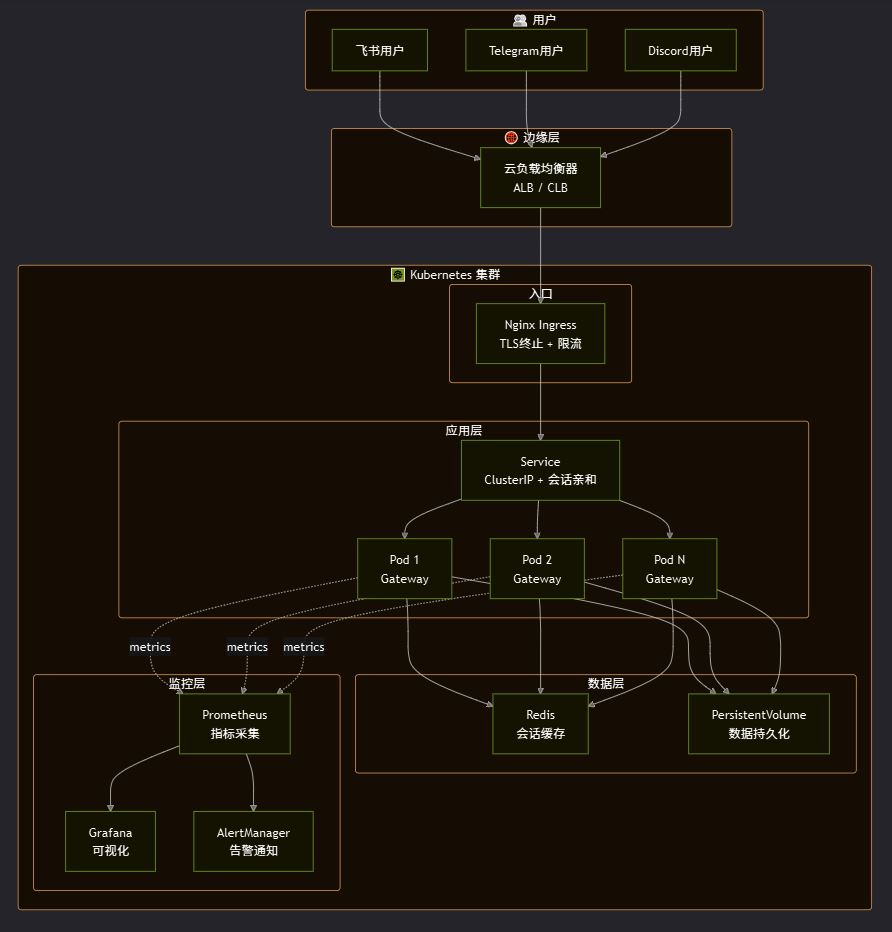
6.2 高可用架构总结

7. 总结

本文从零构建了 OpenClaw 的 Kubernetes 生产级部署方案:

核心要点:

  1. Deployment 管理无状态 Pod:3副本起步,RollingUpdate 零停机更新,Pod 反亲和分散到不同节点
  2. ConfigMap + Secret 分离配置:非敏感配置用 ConfigMap,密钥用 Secret,环境变量注入
  3. 三探针保障可用性:startupProbe(慢启动容忍)→ readinessProbe(流量就绪)→ livenessProbe(存活检测)
  4. HPA 自动扩缩容:CPU > 70% 触发扩容(最多10个),CPU < 50% 触发缩容(最少2个),扩容快缩容慢
  5. Prometheus + Grafana 全栈监控:ServiceMonitor 自动发现,5个核心指标面板,告警规则联动
  6. Ingress 统一流量入口:TLS 终止、WebSocket 支持、速率限制、证书自动管理

思考题:

  1. 你的 OpenClaw 部署在 K8s 集群中,但模型 API(OpenAI)在集群外部。如果模型 API 响应变慢(P99 > 10s),HPA 会误判为"需要扩容"吗?如何避免这种"下游慢导致上游扩容"的级联问题?
  2. ConfigMap 更新后,Pod 内的配置文件不会自动更新。你会如何设计配置热更新方案——是重启 Pod,还是用 sidecar 容器监听 ConfigMap 变化?
  3. 如果集群中某个节点宕机,上面的 Pod 会被调度到其他节点。但 PersistentVolume 如果是节点本地存储(hostPath),数据就丢了。你会如何选择存储方案——NFS、Ceph、还是云厂商的托管存储?

版权声明 : 本文内容来源于互联网或用户自行发布贡献,该文观点仅代表原作者本人。本站仅提供信息存储空间服务和不拥有所有权,不承担相关法律责任。如发现本站有涉嫌抄袭侵权, 违法违规的内容, 请发送邮件至2530232025#qq.cn(#换@)举报,一经查实,本站将立刻删除。
原文链接 :
相关文章
  • 本站所有内容来源于互联网或用户自行发布,本站仅提供信息存储空间服务,不拥有版权,不承担法律责任。如有侵犯您的权益,请您联系站长处理!
  • Copyright © 2017-2022 F11.CN All Rights Reserved. F11站长开发者网 版权所有 | 苏ICP备2022031554号-1 | 51LA统计